
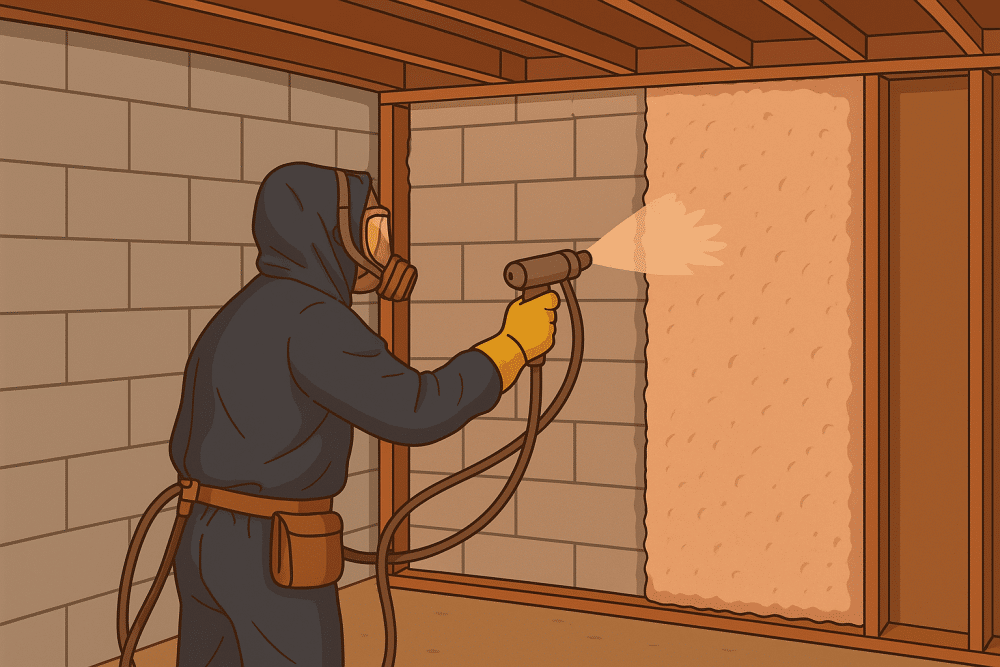
Basement insulation plays a major role in keeping homes warm during a Canadian winter. As temperatures drop in Hamilton, Kitchener, and Guelph, poorly insulated basements can lose heat quickly and drive up energy use. Preparing this space before the coldest months helps maintain comfort, reduce drafts, and improve indoor air quality throughout the season.
Why Basement Insulation Matters in Winter
Basements naturally lose heat faster than upper levels. Concrete walls and floors absorb warmth from the living areas above, and any gaps in insulation allow cold air to move freely through the foundation. This heat loss becomes more noticeable in winter when temperature swings are more extreme.
If basement insulation is outdated or missing, the home’s heating system must work harder to compensate. This leads to higher utility bills and colder rooms, especially on the lower level. Ensuring your insulation is in good condition before winter helps stabilize indoor temperatures and prevents unnecessary heat loss.
How to Tell If Your Basement Needs an Upgrade
Several signs indicate that your basement insulation may not be performing as it should. Cold floors are one of the most common, especially in older homes where insulation has thinned over time.
Persistent drafts in the lower level can also suggest that insulation is not sealing the space properly. Moisture concerns—such as damp spots, condensation, or a musty smell—often point to insulation that is not providing enough thermal separation between the home and the cold foundation walls.
When insulation is thin, uneven, or improperly installed, the concrete structure can draw heat out of the home. This reduces comfort and increases strain on the heating system during periods of extreme cold. A professional inspection can help determine whether your insulation still meets current standards or if an upgrade will improve performance.
The Benefits of Modern Spray Foam Insulation
Spray foam insulation has become a popular choice for homeowners preparing their basements for winter. It forms an air-tight seal that reduces heat loss and prevents moisture from moving through the foundation. This matters in basements, where humidity levels tend to fluctuate and cold surfaces create ideal conditions for condensation.
Because spray foam expands to fill gaps and cracks, it creates a consistent thermal barrier. This helps keep the basement warmer and more stable throughout winter. Homeowners interested in understanding how spray foam works can review the details on spray foam insulation.
Upgrading from older materials such as fibreglass or rigid board can lead to better energy efficiency, fewer drafts, and a more comfortable environment on every level of the home.
Improving Basement Comfort and Air Quality
Proper insulation does more than retain heat. It also contributes to healthier indoor air. When walls and floors remain warm, the risk of condensation decreases. This reduces the likelihood of mould growth, which can affect air quality throughout the home.
Better air circulation and stable temperatures create safer, more livable spaces—especially in finished basements where families spend more time during winter. For a deeper look at how insulation contributes to healthier indoor environments, homeowners can explore the blog on basement insulation and air quality.
Take Action Before Temperatures Drop
Cold weather exposes insulation problems quickly. Drafts become more noticeable, heating bills rise, and comfort levels drop as the deep freeze settles in. That makes early preparation essential.
A professional assessment can identify whether your basement insulation is strong enough for the coming winter or whether upgrades will improve performance. With more than 48 years of trusted results, Reitzel Insulation continues to support homeowners across Hamilton, Kitchener, and Guelph with reliable service and long-term solutions.
Book your free insulation quote today through the contact page.