
If your house still feels uncomfortable even as temperatures rise, you may be dealing with a drafty home after winter rather than a seasonal issue. Many homeowners in Waterloo Region and Southern Ontario expect drafts to disappear with the cold, but that is rarely the case. Air movement inside a home is often tied to underlying performance problems that exist year-round.
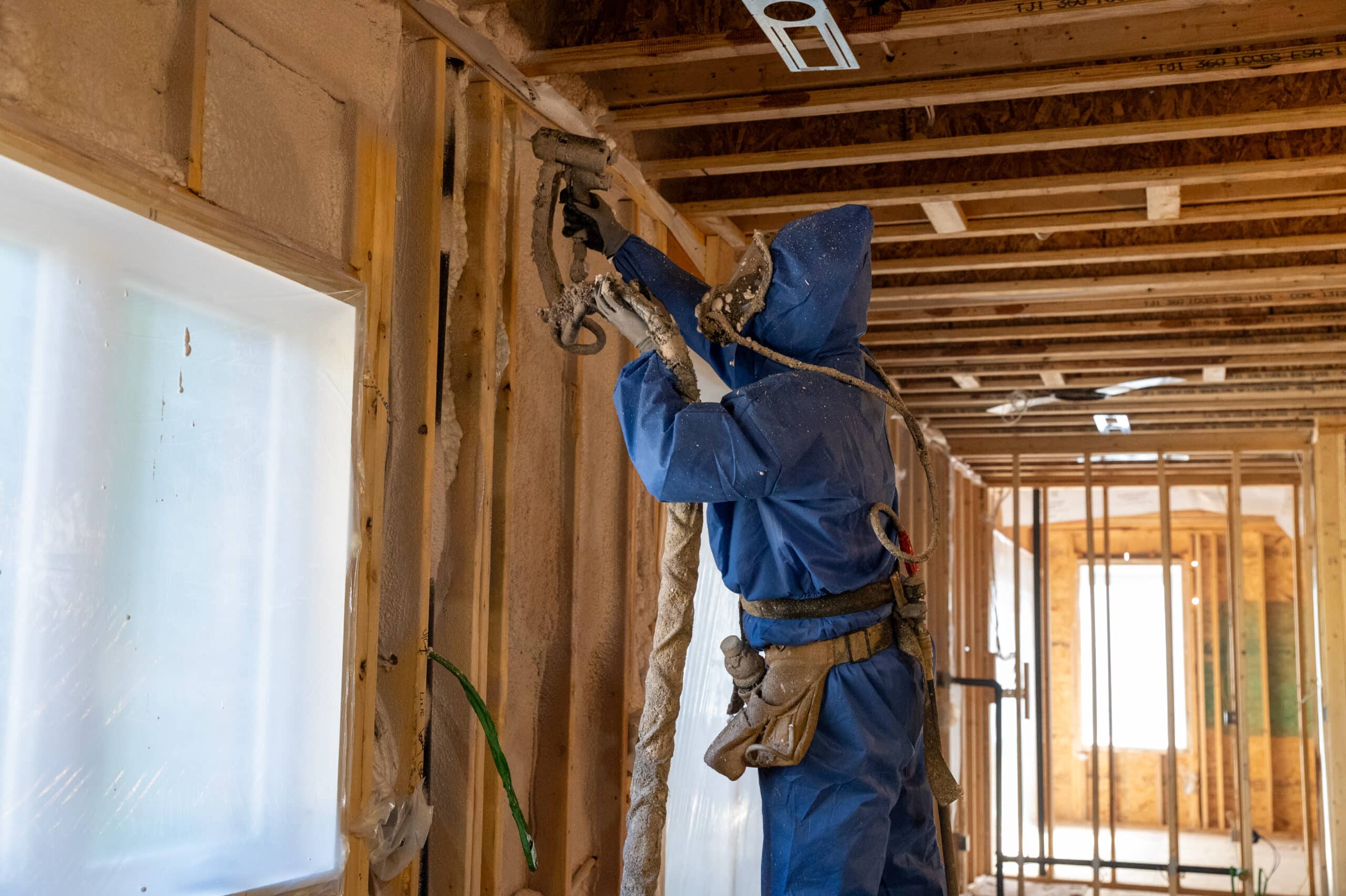
In many cases, the source is not obvious. Small openings, poorly sealed transitions, and insulation weaknesses allow air to move freely through the structure. Solutions like spray foam insulation are designed to address both insulation and air sealing at the same time, making them highly effective in correcting these hidden issues.
Why Drafts Don’t Disappear After Winter
A drafty home after winter is a sign that the building envelope is not performing as it should. Drafts are not caused by cold weather itself. They are caused by pressure differences and air movement through gaps in the home.
During winter, heat loss makes drafts more noticeable. In warmer months, those same pathways still exist. Air continues to move in and out of the home, affecting indoor comfort and energy efficiency. This is why homeowners often notice uneven temperatures or lingering cool spots even in spring.
The core issue is airflow, not temperature. If outside air can enter freely, your home will never feel consistently comfortable. This is especially true in climates like Southern Ontario, where seasonal changes amplify weaknesses in the thermal envelope.
Common Causes of Air Leaks in Homes
Understanding home drafts causes starts with identifying where air is entering and escaping. In many homes, especially older ones, multiple small issues combine to create a noticeable problem.
One of the most common sources is air leaks in attic spaces. Warm air rises and escapes through the top of the home, pulling in outside air through lower levels. This stack effect continues year-round, not just in winter.
Other frequent contributors include:
- Gaps around plumbing and electrical penetrations
- Poorly sealed windows and doors
- Cracks in framing or drywall joints
- Unsealed ductwork
- Recessed lighting fixtures without proper sealing
These openings may seem minor on their own, but together they disrupt the thermal envelope. Over time, they contribute to persistent airflow and ongoing comfort issues, including a drafty home after winter.
Air sealing is often overlooked because many of these gaps are hidden. However, identifying and sealing them is one of the most effective ways to reduce uncontrolled airflow.
How Attic Insulation Affects Drafts
The attic plays a central role in controlling airflow and heat retention. When insulation is insufficient or poorly installed, it allows both heat loss and air movement to occur more easily.
Many homes experience insulation gaps in attic areas, especially around edges, vents, and access points. These gaps reduce the effectiveness of the insulation layer and create pathways for air to travel. Over time, even small gaps can expand into larger performance issues.
In addition, attic airflow becomes harder to control when insulation and air sealing are not working together. This is why simply adding more insulation does not always solve the problem. Without proper sealing, air can still bypass the insulation layer entirely.
Proper solutions often involve upgrading both insulation and sealing. Services like roof or attic insulation address these issues by improving coverage and reducing unwanted airflow. This is especially important in Southern Ontario, where fluctuating temperatures increase the demand on attic performance.
A well-performing attic helps stabilize indoor temperatures, reduce heat loss, and minimize the likelihood of a drafty home after winter.
Why Small Gaps Lead to Big Comfort Issues
Even small openings can have a significant impact on indoor comfort. Air follows the path of least resistance, meaning it will move through any available gap, no matter how small.
This is why insulation gaps and minor sealing issues often lead to noticeable drafts. When combined across an entire home, they create continuous airflow that affects temperature balance and comfort.
These issues also impact energy efficiency. As conditioned air escapes, heating and cooling systems must work harder to maintain desired temperatures. This leads to increased energy use, higher utility costs, and more wear on HVAC equipment.
In many cases, targeted air sealing combined with spray foam insulation Ontario solutions can significantly reduce these problems. Spray foam expands to fill cracks and voids, creating a more continuous barrier against airflow. This helps improve indoor comfort while also supporting long-term energy performance.
The result is a more controlled indoor environment, where temperatures remain stable regardless of outdoor conditions.
When to Have Your Insulation Checked
If you are experiencing a drafty home after winter, it may be time to evaluate your insulation and air sealing. Drafts that persist beyond the cold season are a strong indicator of underlying performance issues.
Signs to watch for include:
- Uneven temperatures between rooms
- Persistent drafts near walls or ceilings
- Higher-than-expected energy bills
- Cold or warm spots that do not improve with thermostat changes
- Rooms that feel stuffy or difficult to regulate
A professional assessment can identify air leaks in attic areas, locate insulation gaps, and determine the best approach to improve overall performance. This type of evaluation looks at the home as a system rather than focusing on isolated fixes.
Addressing these issues is not just about comfort. It is about improving how your home manages airflow, retains heat, and maintains indoor conditions throughout the year.
Spray foam insulation is often recommended because it both insulates and seals. This dual function makes it particularly effective in reducing airflow and stabilizing indoor conditions in homes across Ontario.
If your home continues to feel uncomfortable, the next step is to take a closer look at what is happening behind the walls and above the ceiling. You can contact Reitzel Insulation to schedule an insulation assessment and get a clear understanding of where improvements can be made. A targeted approach can help eliminate the root causes of drafts and restore consistent indoor comfort.