
Attic insulation plays a critical role in maintaining indoor comfort and reducing energy consumption in homes throughout Waterloo Region and Southern Ontario. Over time, however, insulation materials can shift, settle, or compress. This gradual change often goes unnoticed because the insulation still appears to be present in the attic.
Even when insulation looks intact, its performance may slowly decline. Homeowners exploring options like spray foam insulation often discover that older insulation systems are no longer providing the level of thermal protection they once did. One of the most common reasons is compressed attic insulation, which can significantly reduce energy efficiency.
Understanding how insulation compresses and why this affects performance can help homeowners make informed decisions about maintaining their home’s building envelope.
Why Attic Insulation Compresses Over Time
Most attic insulation materials are designed to trap air within their structure. These trapped air pockets slow the movement of heat between the attic and the living space below. However, over many years, several factors contribute to attic insulation settling and gradual compression.
One of the most common causes is gravity. Loose-fill insulation such as fiberglass or cellulose slowly settles under its own weight. As the material compacts, the thickness of the insulation layer decreases. This is a natural part of the insulation lifespan for many traditional materials.
Moisture exposure can also contribute to insulation degradation. Even well-ventilated attics may experience small amounts of humidity entering through roof vents or minor air leaks from the living space below. When insulation fibers absorb moisture, they can clump together and become heavier. Repeated moisture exposure can accelerate compressed attic insulation and reduce the material’s ability to retain air pockets.
Attic activity is another contributing factor. When contractors, technicians, or homeowners move through the attic for maintenance, insulation can be compressed underfoot. Over time, repeated pressure reduces the material’s thickness and creates uneven coverage.
In many homes, these small changes accumulate slowly across decades. Because the insulation still appears present in the attic, homeowners may not realize that compressed attic insulation is gradually reducing the system’s effectiveness.
How Compression Reduces Insulation Performance
The effectiveness of attic insulation is measured by its R-value, which represents resistance to heat flow. When insulation compresses, its thickness decreases. This leads directly to R value reduction.
With compressed attic insulation, fewer air pockets remain within the material. Since trapped air provides much of the thermal resistance, losing that internal structure leads to insulation performance loss.
Compression can also allow small spaces to form between insulation layers and surrounding structural components. These openings can develop into attic airflow gaps, which allow conditioned air to escape and outdoor air to enter.
In colder climates like Southern Ontario, this process often contributes to attic heat loss Ontario homeowners experience during winter. Warm air rising from the living space below can escape through weakened insulation layers, forcing heating systems to work harder to maintain indoor comfort.
Over time, insulation performance loss can lead to increased heating and cooling demands. The insulation may still be present, but it no longer provides the same thermal protection it once did. This is why professional inspections often measure insulation depth and coverage when evaluating attic efficiency.
In many cases, uneven insulation depth or visibly compacted areas indicate compressed attic insulation that is no longer performing as intended.
Common Signs Insulation Has Settled or Degraded
Because attic insulation settling occurs gradually, the warning signs are often subtle. Homeowners may still see insulation covering the attic floor and assume everything is functioning normally.
One of the most common indicators is uneven insulation depth. Areas near attic walkways, access hatches, or mechanical equipment often show visible compression. These sections may have compressed attic insulation due to years of foot traffic or service work.
Another possible sign is seasonal energy inefficiency. If heating costs rise without changes in energy usage, the home may be experiencing increased attic heat loss Ontario conditions caused by insulation settling.
Temperature differences between rooms can also indicate insulation performance loss. When insulation coverage becomes inconsistent, some areas of the home may retain heat better than others.
In winter, homeowners may also notice ice buildup or uneven snow melt on the roof. While several factors can contribute to these issues, insufficient attic insulation or insulation degradation can allow heat to escape upward.
These symptoms do not necessarily indicate a major insulation failure. In many cases, they simply reflect the natural aging process of insulation materials and gradual insulation degradation over time.
Why Modern Insulation Materials Perform Better
Advancements in insulation technology have improved durability and long-term thermal performance. Many modern systems are designed to resist compression and maintain consistent R-values over extended periods.
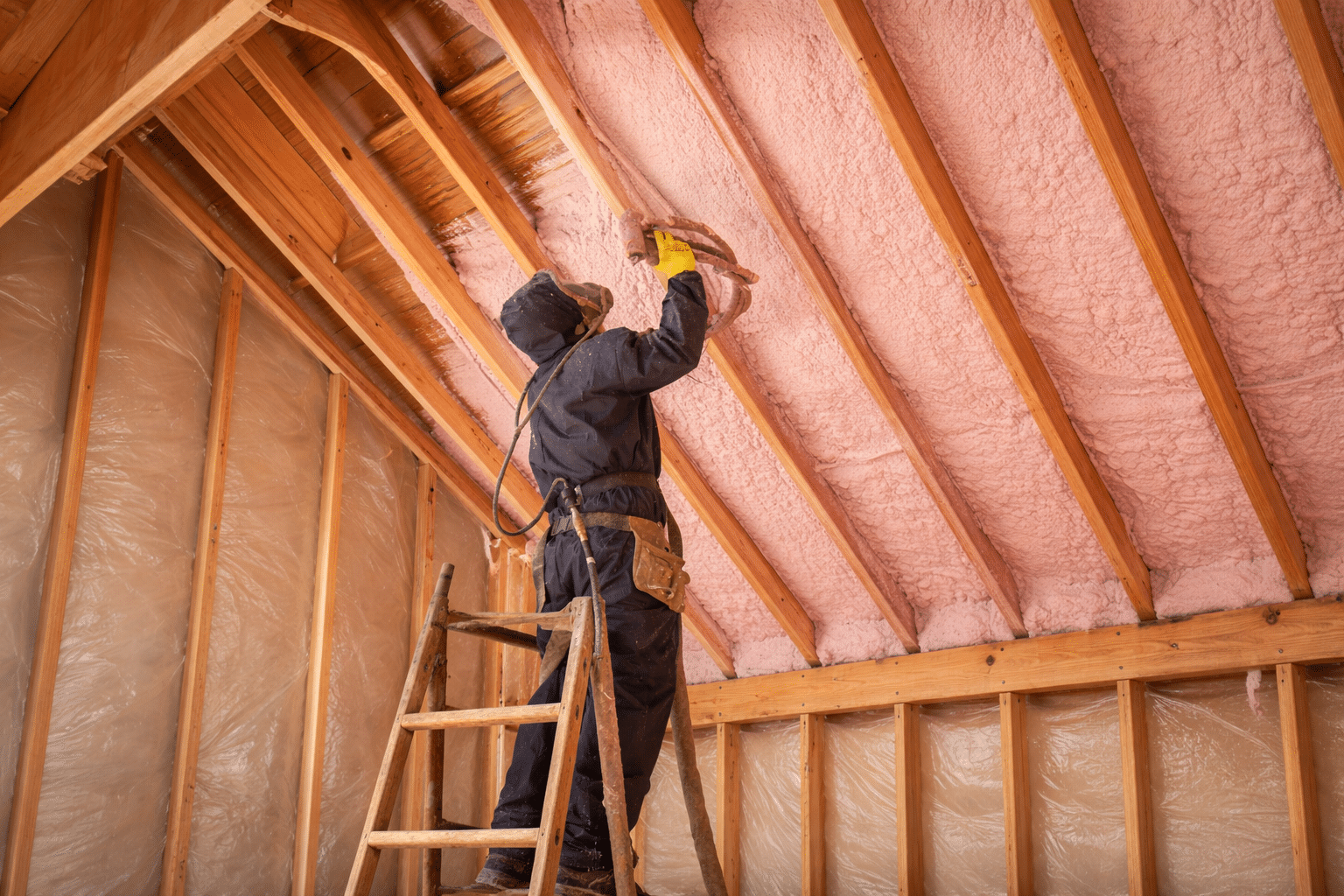
One example is spray foam attic insulation, which expands during installation to fill cavities and seal small openings. Unlike loose-fill materials, spray foam bonds to surrounding surfaces and maintains its shape after curing.
Because of this structure, spray foam attic insulation is far less likely to settle or compress over time. The material also forms an effective air barrier that helps reduce attic airflow gaps, improving the efficiency of the entire building envelope.
Another advantage of spray foam is its ability to provide both insulation and air sealing in a single system. This helps reduce energy loss and improve temperature stability throughout the home.
Homeowners considering insulation improvements often review services such as roof or attic insulation to determine the most appropriate solution for their property. Professional installation ensures materials are applied correctly and designed to maintain consistent performance.
By addressing both insulation depth and airflow control, modern systems can significantly reduce long-term insulation performance loss.
When Homeowners Should Consider an Inspection
Attic insulation rarely fails suddenly. Instead, compressed attic insulation typically develops gradually over many years. Because the change happens slowly, it can be difficult for homeowners to recognize when insulation performance has declined.
Homes built more than 15 to 20 years ago may benefit from a professional attic inspection, especially if insulation has never been evaluated since construction. An inspection allows specialists to assess insulation depth, identify areas of compression, and look for attic airflow gaps.
This process helps determine whether attic insulation settling or insulation performance loss is affecting the home’s thermal efficiency. Early identification allows homeowners to explore upgrades before heating and cooling costs increase further.
Modern insulation systems can often restore attic performance while improving energy efficiency. In particular, spray foam attic insulation can help address both insulation degradation and air leakage within the attic space.
Homeowners in Waterloo Region and Southern Ontario who want to better understand their attic’s current condition can schedule a professional inspection. To learn whether insulation upgrades or modern spray foam solutions could improve your home’s efficiency, you can contact Reitzel Insulation to schedule a professional attic insulation assessment.