Where to Insulate Your Home

Proper insulation works best when it is planned as part of a complete home system. Different areas of a house lose and gain heat in different ways, and understanding where insulation has the greatest impact can help homeowners make informed decisions before starting a project.

This page provides a high-level overview of the most common areas of a home that benefit from insulation. For detailed installation methods and material options, please refer to the individual insulation service pages linked throughout this guide.

Attic and Roof Areas

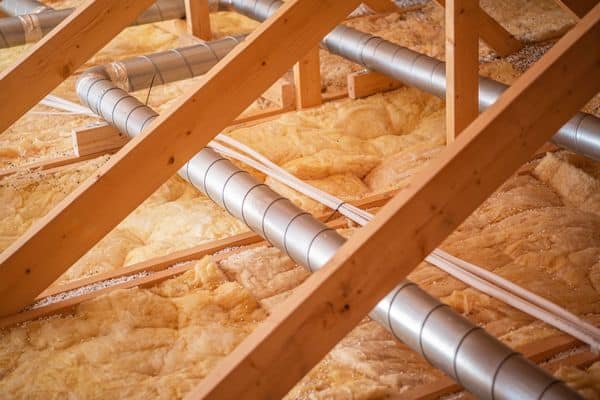
Attics and roof assemblies are typically the largest source of heat loss in a home. Because warm air rises, insufficient attic insulation can lead to higher energy use, inconsistent indoor temperatures, and ice damming during colder months.

Insulating attic spaces helps reduce heat loss in winter, limits heat gain in summer, and improves overall comfort throughout the home.

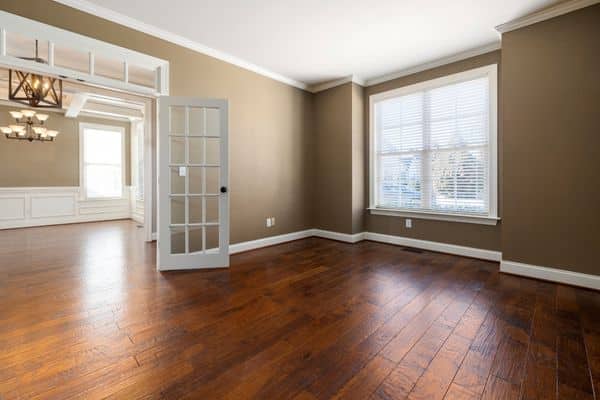
Exterior and Interior Walls

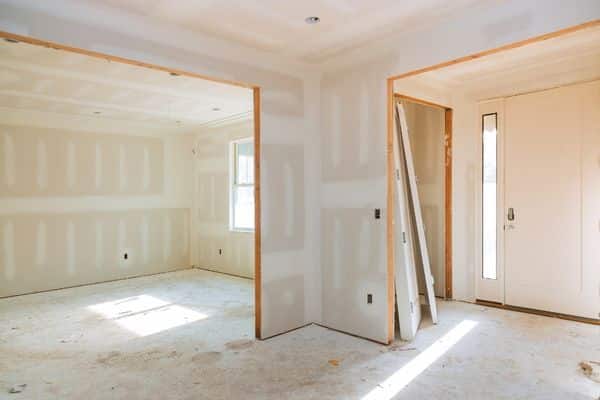
Wall cavities separate conditioned indoor space from outdoor temperatures and sound. In many older homes, wall insulation may be minimal or missing entirely, contributing to drafts, uneven room temperatures, and higher energy consumption.

Properly insulated walls help maintain more consistent indoor temperatures and can also improve sound control between rooms and from outside noise.

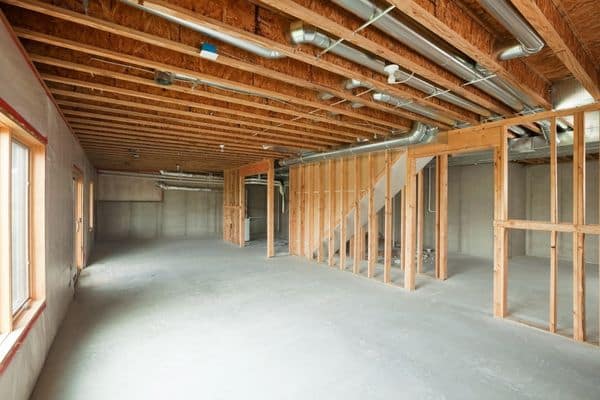
Basement and Foundation Areas

Basements and foundation walls represent a large surface area in contact with the ground. Uninsulated foundations can allow significant heat loss and often contribute to cold floors on the levels above.

Insulating basement walls and foundation areas can help improve comfort, reduce energy demand, and create a more usable lower-level space. Exterior basement insulation is one of the most effective ways to reduce heatloss.

Floors and Crawl Spaces

Floors located above unheated areas, such as crawl spaces or garages, are common sources of cold drafts. Crawl spaces can also allow moisture and outside air to move into the home if they are not properly insulated.

Insulating these areas helps improve comfort, reduce drafts, and support a more consistent indoor environment.

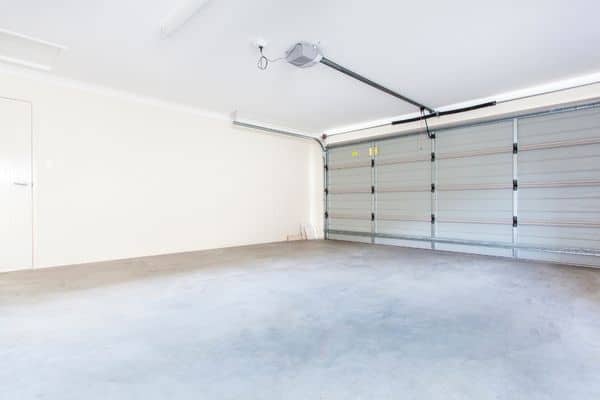
Garages and Attached Spaces

Attached garages and bonus rooms often share walls or ceilings with living areas. Without proper insulation, these spaces can act as thermal bridges, allowing unwanted heat loss or gain.

Insulating garages and attached structures helps reduce temperature transfer and improves comfort in adjacent rooms. A smart investment.

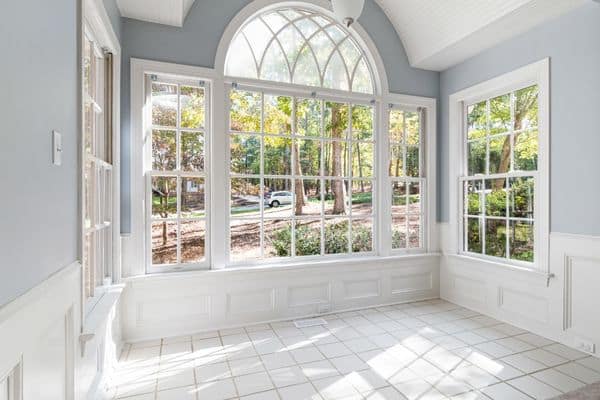
Windows and Doors

Windows and doors are common sources of air leakage rather than insulation gaps. Older frames, worn seals, and poorly insulated door assemblies can allow drafts and temperature fluctuations.

While windows and doors are not insulated in the same way as walls or attics, addressing air leakage around these openings helps improve overall comfort.

BENEFITS OF PROPER HOME INSULATION

Insulation as a Whole-Home System

Insulation is most effective when it is continuous and properly aligned throughout the building envelope. Improving one area of a home without addressing major gaps elsewhere may limit overall performance gains.

A whole-home approach considers how insulation, air sealing, ventilation, and moisture control work together to improve comfort and energy efficiency.

Planning Your Insulation Project

Homes vary widely in age, construction type, and existing insulation levels. Factors such as renovations, moisture conditions, and ventilation all influence where insulation upgrades will be most effective.

A professional assessment can help identify priority areas and ensure insulation improvements are planned safely and effectively.

Ready to Plan Your Insulation Upgrade?

If you are considering insulation improvements and want guidance on where to start, Reitzel Insulation can help assess your home and recommend appropriate solutions based on your needs.
WHAT CLIENTS ARE SAYING!

Get a Quote

Reitzel Insulation is always here to help. Please give us a call or use the form below and we'll be in touch as soon as we can.

Get a Quote

Reitzel Insulation is always here to help. Please give us a call or use the form below and we'll be in touch as soon as we can.

FOLLOW US ON SOCIAL MEDIA